by Joe
on October 31, 2010
First, congrats to both Kay Bell (Don’t Mess With Taxes) and Tax Girl for making the 64 Tax Blogs for Geeks and Wonks list just published at CPA Trendlines. Quite the honor.
Canadian Finance offered How To Cut Your Grocery Store Costs, 22 ways to be precise. An excellent list, I already follow many of them, planning, coupon use, etc. but can do a better job at others, buying less food that’s been pre-cut or prepared, for example. Check it out, see how many new ideas you find.
At Deliver Away Debt, Dr Matthew Constas, PhD guest posted Debt: A Surprising Cause of Obesity. Interesting article, but not so surprising to me. The snacks and soda that always seem to be on sale are high calorie, low nutrition foods. I can easily understand how low income leads to poor eating habits. Another reason to save, budget wisely, and keep your health, both physical and financial.

Next, Len Penzo discusses Tip Inflation: We’ve Got Nobody to Blame But Ourselves. I’m with you, Len. When did 15% become the minimum for average service and 20% or more for good service? More than this, when did that tip jar come out at every coffee shop and take out place?
Monevator lists some Low cost index trackers that will save you money. ETFs (exchange traded funds) are a great way to buy a basket of stocks that track a particular index and have very low expenses. Typically, less than 1/2% per year.
Finally, Miranda Marquit guest posted at the Military Wallet, Should You Enroll in Biweekly Mortgage Payments? A nice detailed post, Miranda offers the pros, cons and alternatives to the Bi-Weekly mortgage. Good information.
Joe
{ }
by Joe
on October 30, 2010
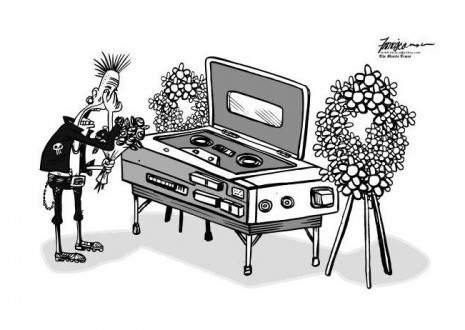 This week, Sony announced they are ceasing production of the Walkman for sale in Japan, although they may continue to manufacture in China as long as there is demand in the US. MP3 players have made cassettes nearly obsolete, but the Walkman had a good run, just over 30 years since it was introduced.
{ }
by Joe
on October 29, 2010
With home prices down from the big bubble and rates down as well, I was curious about the current state of housing affordability.
The latest stats I find show median household income at about $52,000 (2008). With rates at 4.5% or lower on a 30 year fixed mortgage, and a conservative underwriting, 28% of income for the mortgage and property tax, we’ll assume 24% is for the mortgage only. This is $1040/mo. At 4.5% this will fund a $205,000 mortgage, so with 20% down, a total house price of just over $250,000.
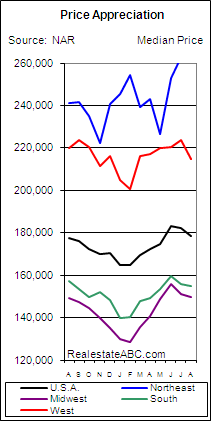
This graphic shows lower median home prices in all regions except the Northeast where income tend higher as well. Take that median income and you can afford a pretty nice home in the south or midwest. Makes me wonder if we hit bottom, and if this is the time to buy. Of course, bottoms are really only seen in hindsight. For an interesting spin on the rent/buy decision, check out Monevator’s Reasons to buy a house instead of renting.
Joe
{ }
by Joe
on October 26, 2010
We are in the final days of 2010, just over two months remain. And unless congress does something (someone remind me – what do these guys actually do?) the Bush Tax Cuts are due to expire.
Last week, my article Potential Tax Law Changes was published on the TurboTax Blog.

(The caption for the above image is “this is how much of my tax cut goes to the middle class.”)
A bit of background. What we refer to as the Bush Tax Cuts are really Public Law 107-16, the Economic Growth and Tax Relief Reconciliation Act of 2001, EGTRRA for short. It runs 114 pages, and is as dry a document as you’ll ever read. Besides, it’s expiring in two months and my post at TurboTax will tell you in short order how this might impact you. Take a visit, and let me know what you think. Should congress extend these tax cuts?
Joe
{ }
by Joe
on October 24, 2010
The first post that caught my eye this week was 5 Components of a Good Layoff Contingency Plan. Not so much because I’m planning to or fear getting laid off, but because this is one thing those involved in finance too easily overlook. We tend to look at taxes (of course), our saving rate, our return, etc, but the layoff plan, not so much. If you’ve not given this topic much thought recently, it may be time to read Fiscal Fizzle’s post.
Next, I saw a great interview with Chris Rea, Twitter Tuesday Profile: @BasicallyMoney. Chris runs Money at the Stack Exchange Network where I frequently answer questions. A nice introduction to Chris and his site.

Next, at Wise Bread, David Ning wrote about 6 Indirect Ways Taxes to the Rich May Hurt You. David offers something to think about. In the economy, nothing happens in a vacuum. There will always be a ripple effect, the unintended consequence of one change or another.
At Money Help For Christians, Darren discussed Using Financial Ratios To Gauge Your Financial Health. As a numbers guy, I think these ratios are a great rule of thumb. Interesting read.
Canadian Finance Blog wrote about The 1929 Stock Market Crash. I’m a believer that those who don’t learn from history are doomed to repeat it. So, yes, we learned nothing from the S&L crisis in the late ’80s.
And my last great read this week was Kelly’s Protect your Identity Week: How to Protect your ID.She offers 7 great tips to help you save the time, money and hassle identity theft can cost you.
{ }