A guest Post from Kevin –
I’ve been an econ-junkie now for 3-4 years. Sure I have been into the markets and the economy essentially since I graduated college back in 2005, but since the economic meltdown of 2008, I can’t get enough. I was determined to understand what happened and whether or not it will happen again In the future. Unfortunately, my findings aren’t exactly encouraging, but there is optimism to be had for those of us with drive and an understanding of the environment in which we find ourselves.
Let’s look briefly at what I believe you should be watching on the economy for the rest of the year.
Nothing is bigger than the end of quantitative easing scheduled for next month. Since last fall, the Federal Reserve has been doing roughly $600 billion in large asset purchases. They call it quantitative easing to make it sound complex and sophisticated. It’s really not much more than printing money to buy Treasuries.
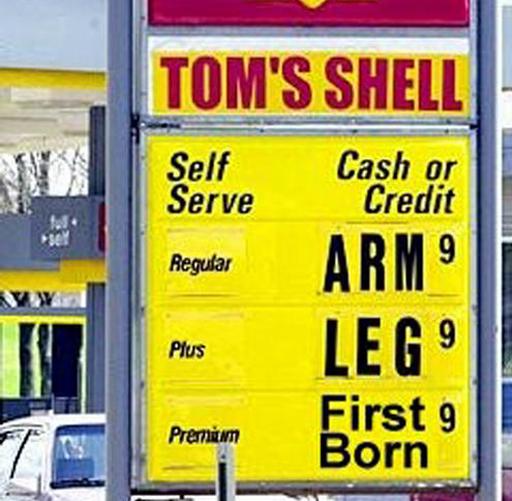
While the Fed would argue this boosts economic activity, the jury is still out on that. Most would agree that it does help boost asset prices such as stocks and commodities which can be good and bad. Good in the regard that everyone likes their 401(k) plan to rise, but bad in a way that we don’t like spending $4 per gallon of gasoline.
The real question becomes what happens in the markets when the round of quantitative easing is complete. The Fed has effectively put a floor under many asset prices especially Treasuries since they have been the biggest buying of them. With the Fed “buy order†out of the way, will prices drop? An unstable Treasury market will indeed cause some ripple effects in markets. In plain language, when Treasuries drop, the interest rates rise which essentially increases the borrowing costs of the United States Government and I’m sure you’ve heard already about how much debt the government has to service.
If you look at stock market charts, you can see pretty clear correlations between the rise in prices over recent years and quantitative easing programs. The Fed hopes that the economy has recovered enough to sustain stock prices without the Fed pumping liquidity into the economy. Again, we’ll see.
So, why do we care about all this?
If you’re like me, I’m trying to build a portfolio that will generate wealth and help me reach my financial goals. There are a few things you could do in anticipation of possible higher volatility in the markets:
- If you have some big winners, some stocks that may have doubled or tripled in value, it might make sense to sell part of that position and raise some cash. Not only do you lock in profits, but you now have cash available to take advantage of lower asset prices should they materialize.
- Possible rotate into more defensive dividend stocks. I prefer consumer staples like Wal-Mart, Philip Morris, and Proctor & Gamble. The defensive, large cap stocks typically are less volatile, and the dividend payment will help offset any short term weakness in stock price.
- Most of all, I’d encourage you to simply follow the markets. By learning how the markets react with various economic events, you are setting yourself up for years of strong investing. Nothing is better than improving your ability to invest over the long term.
Another major economic indicator that everyone from Wall Street to the average Joe will be watching is the unemployment index. I would encourage you to further understand how the official unemployment indicator is calculated. Pay attention to work force participation, as strangely, we don’t count people who are so frustrated with unemployment that they’ve given up. People falling out of the work force is not a positive indicator but it still impacts the official unemployment rate favorably.
Lastly, the other economic indicator to watch is inflation. Like unemployment, the inflation indicator (the “CPIâ€) is also calculated in sort of a way to keep inflation appear “muted.†The way this is done is by counting housing expense or rent as almost 40-50% of the indicator. As we all know, housing has dropped like a rock in recent years which is helping pull down the CPI, even though the cost of nearly everything else is going up. While the CPI might only be up slightly, we see the prices of gas, food, and other things up much more dramatically.
While it might sound like I’m negative on the economy to a certain degree, you would be right, but I’ll tell you why I’m not depressed. The reality is that smart people who are willing to work hard can make money in any economic environment. In fact, you might argue that the opportunities are better in a tough economy because asset prices might be depressed and/or people are willing to work for you for less. It’s tougher to be an average employee in a tough economy, but it might be better to be an entrepreneur or investor. No matter how bad the economy gets, or no matter how good it might get down the road, there’s no replacing innovation, hard work, and the drive to succeed. I wish you the best of luck!
Kevin who is a normal guy with a job that loves the markets and the internet. He blogs primarily at 20smoney.com