≡ Menu

If you’re struggling with debt and trying to dig yourself out, you need to eliminate as much spending as possible so you can funnel extra funds toward debt repayment. That’s especially true when it comes to credit cards. When you charge a new purchase you don’t just pay the amount on the price tag. You’ll actually pay a whole lot more in interest and finance charges, which is why you should stop using your credit cards as long as you are in debt.

Unfortunately that is often easier said than done. You know you shouldn’t be buying anything unless you can afford to pay cash for it, but you just can’t seem to help yourself. So rather than walking out of the store empty-handed you try convince yourself that it is okay to whip out the plastic just this once.

Here are five of the most common excuses people use to justify unplanned charges on their credit cards:

This is just too good a deal to pass up

You weren’t really planning to spend any money but you just happen to be in the right place at the right time. There’s a big sale on an item you’ve had your eye on and the timing is just too good to be true. It’s a sign that you’re meant to have it! It’s not in your budget of course, but you’ll never see another deal like this again, right? Right?

The rewards points I earn will make it worth while

Credit card companies don’t offer points and rewards out of the goodness of their hearts. They do it because it makes them a boatload of money. Earning rewards on purchases that you were going to make anyway (like gas and groceries) makes sense, but buying unnecessary items just to earn points toward free music downloads or a gift card to The Olive Garden is foolish. Also, if you aren’t paying your credit card balance in full every month then those rewards points are costing you a lot more in interest charges then they’re worth.
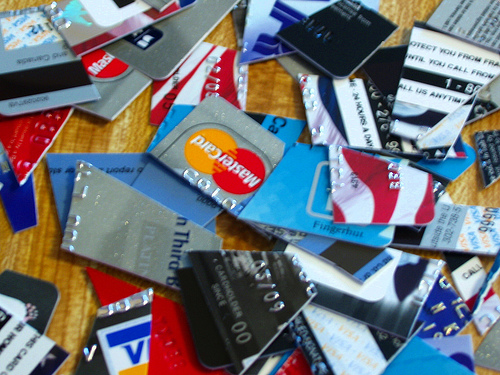
I’ll pay if off as soon as I get paid (for real this time)

How many times have you uttered those words with the best of intentions? How many times have you sworn to pay off your cards and never carry a balance again? Did you succeed?

Yea, that’s what I thought.

It’s an emergency!

Your car needs a new transmission. Your washing machine just died. Your water heater is leaking all over the basement floor. These are all examples of the unexpected expenses that everyone faces from time to time. If you have an emergency fund to tap into you could easily cover the expense. But since you don’t you end up charging it and paying finance charges for years to come.

I work hard. I deserve to treat myself once in awhile

Listen, we all deserve a treat now and then. It’s important to reward yourself once in awhile, especially when you’ve been making sacrifices and busting your butt to pay down your credit cards. But be realistic and don’t go overboard. Sure the $1200 flat screen TV will look beautiful in your family room, but it will seriously hamper your efforts to pay down your debt.

Have you ever found yourself using these common excuses for charging unplanned purchases? Are there any other little lies you tell yourself to justify purchases?

Mike Collins blogs at WealthyTurtle.com, a personal finance site that focuses on increasing income and building wealth.

{ 5 comments }

A Summer 2012 Roundup

Happy Summer, if you are fellow Northern Hemispherian, else, if you are on the south side you’re heading into winter, right? Me, I don’t care for the hot weather, I’ll take 40F over 90F any day, but I know most people life the warm weather, so I’ll go along with it.

I just caught an article at Debt Princess titled What NOT to Do: Justify a Bad Purchase. I often find that sometimes the negative examples are as much of a lesson as the positive ones. By all means, look at what people are doing right and learn from them, but also, learn from others’ mistakes to know what not to do. In this case, we have a case that’s probably worse than buyer’s remorse, it’s convincing yourself a bad purchase was good.

The Mighty Bargain Hunter explained The secret to getting rid of things by selling them. Some great tips on how to declutter and make a few bucks wile doing so.

Next, at Careful Cents, some Non-Traditional Ways to Cut Your Grocery Bill. For many people, after their mortgage, the grocery bill is the biggest expense in their budget. It’s also not cast in stone. Spend a bit of time with this great advice as to how you can trim that grocery bill down. A lot of ideas here, use one, or all, and save some bucks.

At I Am 1 Percent, a guest post from Debt and Buried – Worst Money Mistake. It’s tough to look back and ask what you could have done differently because at the time it feels like you’re doing it right. I’m thinking about my own mistakes and whether I should share them in a future article.

We’ll wrap up this week with Generation X Finance’ Mortgage Rates Are Low, But It May Still Cost You. Indeed, refinancing often comes with costs, among them, the closing fees, and points. There’s a bit of math you need to do to make sure you’re not throwing good money after bad.

Stay cool.

{ 2 comments }

Recalling Clinton

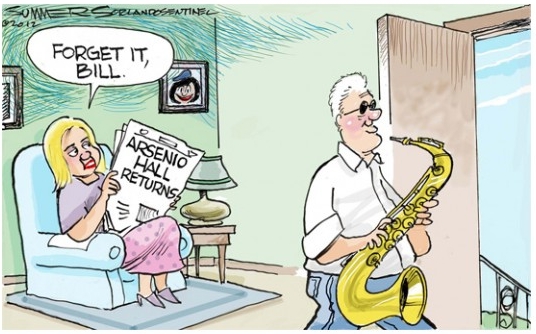
It’s remarkable to me that 20 years have passed since President Bill Clinton went on the Arsenio Hall show and played his saxophone with the show’s band. More than the musical performance, there was an interview, the famous “I tried marijuana, but I didn’t inhale” explanation. Clinton explained that he took a puff, but choked on it. The musical performance is easy to find on Youtube, the interview, I haven’t found yet.

{ 0 comments }

A Drop in Most American’s Income

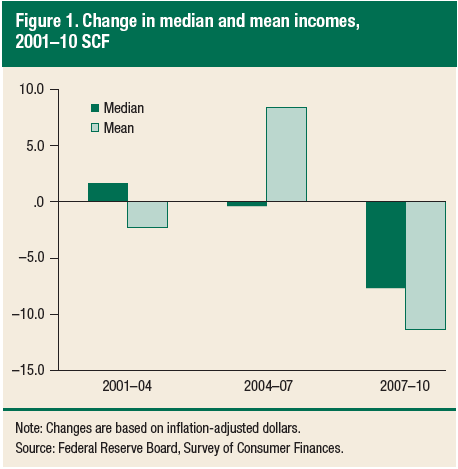
Last week we looked at A Drop in Most American’s Net Worth. Indeed, the median was down by 39% and the average, just under 15%. This was for the three year period from 2007-2010. Now, let’s look at income over the same period.

Charts are nice, but let me spell out the numbers, the median (half make more, half less) family income dropped by 7.7%, while the mean (average) fell 11%. This means that higher income earners income fell more than lower income earners reversing the 2004-2007 trend. The average family in the top 10% of earners saw their income fall by just over 16%. It was a tough period and the downturn hit all of us. For more numbers, sorted by age, education, and more check out the full report titled Changes in U.S. Family Finances from 2007 to 2010: Evidence from the Survey of Consumer Finances.

{ 0 comments }

Summer Home Savings

A guest post by Ashley Spade –

Nobody said owning a house would be cheap, but does it have to be so expensive? Everywhere you turn, there’s another expense lurking. You fix one thing, and something else breaks. There’s always something that needs to be tweaked or fine-tuned, and if there isn’t, a visitor will be happy to point something out to you. Home ownership is almost like a second job because its upkeep requires so much attention and time.

There may not be a more expensive time to own a home than during the summer. Keeping the bugs out, the house cool and the lawn tidy all cost a pretty penny, and that’s when things are running smoothly. When things go wrong, it costs a whole lot more. Home renovations might cost a few bucks now, but they’ll save you more over the long run. After all, the cost of inaction is far greater than the temporary setback that comes with improving your home.

Seal the Deal
One great way to ensure you don’t donate your entire summer paycheck to the power company is to seal your doors and windows. This will help to keep the warm air out, and it’ll also keep the bugs where they belong – outside your home. Doing this will also help you during the winter months, as it will keep your house nice and warm.

Sealing should only be done by professionals, so you’ll have to pay to get this done. However, you’ll see some savings on your electric bill, and over time you’ll have earned many times more than your initial outlay. Plus, you’ll qualify for a tax credit of up to $1,500.

In order to gain the most from your air conditioning, you should change the filters in your AC and heating unit regularly. If filters aren’t changed, the air that’s flowing in your house won’t be as safe for you and your family. Changing filters regularly will also save you from having to hire a professional to repair the damage an old filter can cause to your AC unit.

Lay of the Land
Are you one of those people who only drags out the lawn mower when grass is up to your knees? If so, consider the impact your lack of attentiveness has on the value of your home. An unsightly lawn not only decreases the dollar value of your house, but it leads people to draw other conclusions about the cleanliness indoors. That’s a big deal if you rent out part of your house, or are trying to sell or refinance.

The summer months can be taxing on us all, but maintaining a nice lawn does more than add value to your home’s bottom line. It can be a great source of pride for you as you host friends and family for weekend barbecues. It can be a fun hobby if you work a job that gives you lots of free time in the summer. But the best part about having a nice lawn? It gives you the opportunity to create your own garden, enabling you to grow your own vegetables and skip the overpriced, chemical-soaked veggies at the grocery store.

Solar System
The most ambitious of all summertime tricks is the one that saves you the most money. Solar power allows you to essentially cut the cord with your power company, saving you hundreds of dollars a month. Since your home will be a self-sufficient energy source, you won’t have to pay for electricity in most months, and definitely not during the summer when solar power is at its highest frequency.

There’s no getting around it – solar panels are expensive. The cost of solar panels can cost tens of thousands of dollars, a price many people aren’t willing to pay. However, there are plenty of tax credits available for going solar, and you may be able to cut the cost nearly in half after taking advantage of a 30 percent federal credit and any state credits you may be eligible to receive. In addition, the value of your home will increase as a result of your investment. You’ll definitely pay more to start, but over time you’ll reap a huge benefit, especially as you stash away all the money you would’ve paid to the electric company.

The start of summer may mean spending more money on ballgames, vacations and parties, but it doesn’t mean a significant increase in home maintenance expenses. You can thrive in the summer if you invest a little now and let it pay off over time. You’ll rest easier in your comfy and cool home knowing you’ve done all you can to slash your bills and improve your quality of life in the dog days of summer.
This post is a guest post written by Ashley Spade, a law student in Chicago. In addition to learning how to live life on a grad student budget, Ashley spends her time training for triathlons and hanging out with her sidekick, Sir Winston Pugsalot (a rather mischievous pug). Follow her adventures on twitter: @ashspade.


{ 0 comments }